
The Ultimate Guide to Tenant Screening in 2026: Trends, Best Practices, and Strategies for Landlords
In the ever-evolving world of property management, tenant screening remains a cornerstone for minimizing risks and ensuring stable rental income. As we enter 2026, landlords and property managers face a landscape shaped by technological advancements, heightened fraud risks, shifting economic conditions, and new regulatory demands. This comprehensive guide delves into the latest trends in tenant screening, offering actionable insights to help you attract reliable tenants while complying with legal standards. Whether you’re a seasoned landlord or new to the rental market, understanding these developments can enhance your screening process, reduce vacancies, and boost your property’s appeal to prospective renters.
With delayed homeownership pushing more individuals into long-term renting, the demand for quality tenants is higher than ever. This guide, clocking in at approximately 2,500 words, will equip you with the knowledge to navigate 2026‘s challenges and opportunities. We’ll cover emerging trends, best practices, tools, case studies, and a forward-looking outlook to help you stay ahead.

The Current Landscape of Tenant Screening
Tenant screening has come a long way from simple credit checks and reference calls. In recent years, it has transformed into a data-driven process that balances efficiency, accuracy, and fairness. According to industry reports, tenant quality continues to be the top challenge for property managers, with 75% noting an increase in rental fraud over the past year. This surge is driven by economic pressures, such as inflation and job instability, which make some applicants more desperate to secure housing—sometimes through deceptive means.
In 2025, we saw credit history solidify as a critical factor in screening decisions, surpassing even employment verification in some cases. Renters insurance also went mainstream, with many landlords requiring it as part of the application process to mitigate liability. However, screening mistakes remained costly, leading to evictions, legal disputes, and financial losses. As we move into 2026, the focus is shifting toward proactive, tech-enabled strategies that address these pain points.
The rental market itself is booming. With homeownership delayed for many due to high interest rates and affordability issues, renters are staying put longer, creating a surge in demand for investment properties. This “tenant boom” means more opportunities for landlords but also intensifies competition for quality applicants. Effective screening isn’t just about weeding out risks—it’s about attracting tenants who value transparency and seamless experiences.
Key Trends Shaping Tenant Screening in 2026
2026 promises to be a pivotal year for tenant screening, with several trends emerging from technological innovations and regulatory changes. Here’s a breakdown of the most impactful ones:
- Advanced Fraud Detection and Verification Tools
Fraud in tenant applications is on the rise, with falsified paystubs, AI-generated documents, and identity theft becoming commonplace. In response, landlords are adopting sophisticated verification methods. For instance, direct source verification through payroll databases like The Work Number is replacing self-reported income details. Expect fraud attempts to grow more advanced, making it essential to use AI-powered tools that flag inconsistencies in real-time.
This trend not only reduces risk but also appeals to honest applicants who appreciate a fair, efficient process. Property managers using these tools report lower default rates and faster leasing cycles. - AI and Automation in Screening Processes
Artificial intelligence is revolutionizing how screenings are conducted. From algorithmic analysis of credit reports to predictive modeling of tenant reliability, AI helps balance fraud detection with cost efficiency. However, this comes with caveats: new legislation is addressing algorithmic bias to ensure fair housing practices. In 2026, expect more states to mandate transparency in AI-driven decisions, requiring landlords to disclose how algorithms influence approvals.
Automation also extends to online platforms, where applicants can submit documents digitally, expediting reviews while maintaining FCRA compliance. This seamless experience is key to attracting tech-savvy millennials and Gen Z renters, who prioritize convenience. - Strengthened Regulatory Compliance and Renter Protections
Stronger renter protection laws are a hallmark of 2026, building on 2025‘s trends. Emerging legislation focuses on portable screening reports—allowing applicants to reuse reports across properties—and combating bias in automated systems. Landlords must navigate stricter rules on evictions, lease terms, and habitability, with non-compliance leading to hefty fines.
Additionally, equal housing opportunity remains central, with emphasis on avoiding discrimination based on credit history alone. Instead, holistic reviews that consider resilience (e.g., debt-to-income ratios) are gaining traction. - Emphasis on Comprehensive Credit and Income Reviews
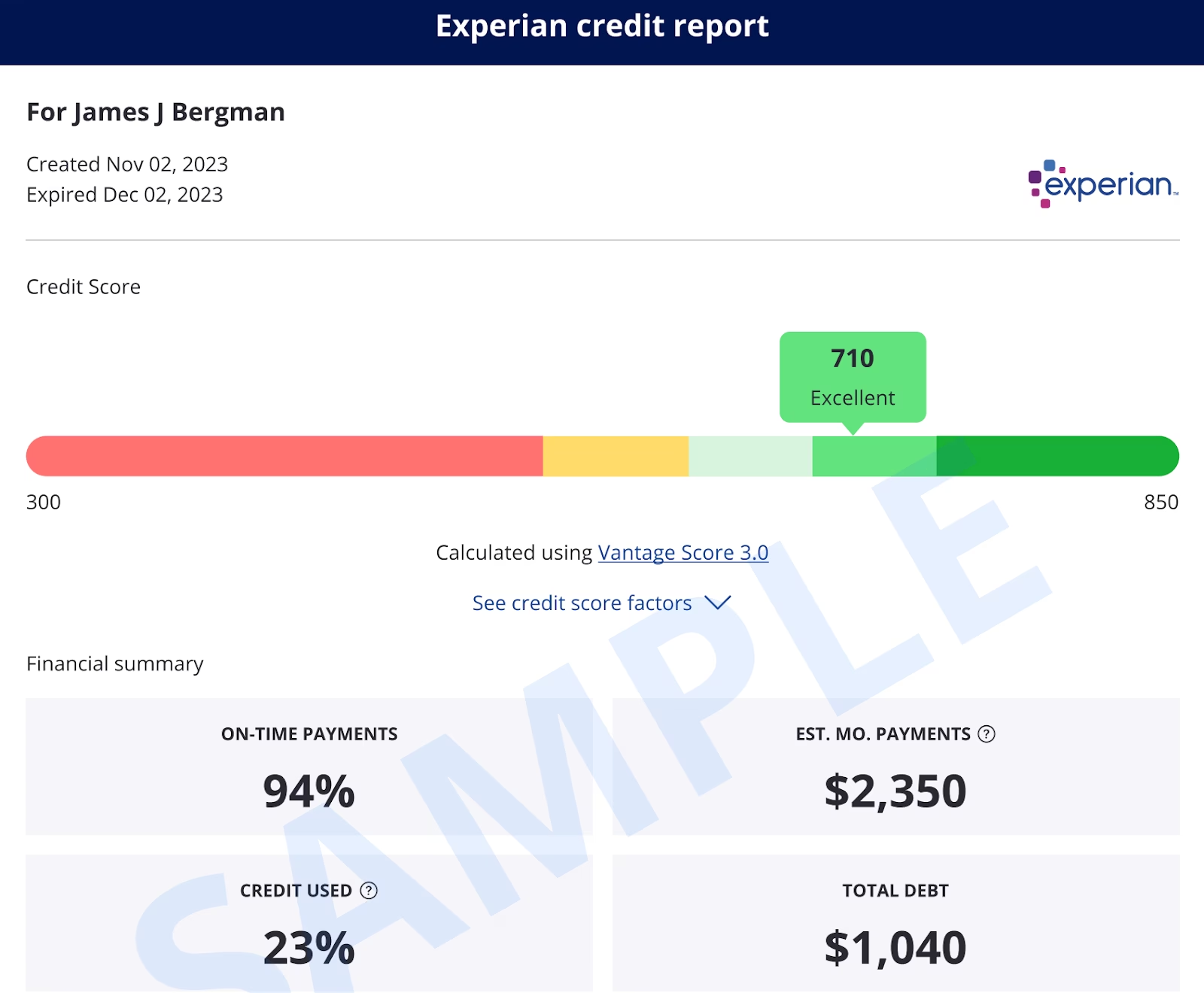
Credit reports and FICO scores are more vital than ever, but the approach is evolving. Landlords are moving beyond surface-level checks to assess total financial obligations, including student loans and credit card debt. Income verification is tightening, with tools that confirm employment directly from employers to combat fraud. This trend correlates with lower eviction risks, as stable finances predict reliable rent payments. - Integration of Renters Insurance and Additional Safeguards
Renters insurance is no longer optional in many markets; it’s a screening staple. In 2026, landlords are bundling it with applications to protect against damages and liabilities. Other safeguards, like guarantor services, are rising in popularity for high-risk applicants.
These trends highlight a shift toward proactive, data-informed screening that benefits both landlords and tenants.
Ready to Secure Your Property?
Order a Full Tenant Screening Report today, including comprehensive credit history with a FICO score, background checks, and more. Protect your investment with reliable insights.
Order Full Tenant Screening Report NowBest Practices for Effective Tenant Screening in 2026
Implementing these trends requires a structured approach. Here are best practices to optimize your process:
- Develop a Consistent Screening Policy
Create a written policy outlining criteria for credit scores, income thresholds (typically 3x rent), and background checks. Consistency ensures FCRA compliance and reduces bias claims. Use templates from resources like the National Apartment Association to standardize your process. - Leverage Multi-Source Verification
Don’t rely on applicant-provided documents. Use services for direct income and employment confirmation. Combine this with full credit reports to evaluate financial health holistically. For international tenants, incorporate specialized screening to verify foreign credit histories. - Incorporate Technology Wisely
Adopt AI tools for fraud detection but audit them for bias. Platforms like Buildium or RealPage offer integrated screening with automated workflows, reducing manual errors. Ensure your online application is mobile-friendly to attract younger demographics. - Prioritize Transparency and Communication
Inform applicants about the screening process upfront. Provide reasons for denials as required by law, and offer tips on improving applications. This builds trust and encourages quality tenants to apply. - Monitor for Legal Updates
Stay informed on state-specific laws, such as those on portable reports. Regular training or consultations with legal experts can prevent costly mistakes. - Balance Risk with Inclusivity
While screening for stability, avoid overly stringent criteria that exclude viable tenants. Consider alternative data like utility payment history for those with thin credit files.
By following these practices, you can reduce late payments and evictions by up to 20-30%, based on industry benchmarks.
Essential Tools and Technologies for 2026
To stay competitive, invest in the right tools:
- Credit Reporting Services: TransUnion, Equifax, or Experian for comprehensive reports.
- Fraud Detection Software: Tools like Snappt or ID.me to spot altered documents.
- Automated Platforms: Discover the vast resources available on this site that contains extensive fillable PDF forms and portable e-sign rental applications/tenant screening orders placed by your applicants.
- Verification Databases: The Work Number for payroll checks.
These tools not only streamline processes but also provide data analytics to refine your criteria over time.
Real-World Case Studies
Consider a small landlord in California who adopted AI fraud detection in 2025. Previously plagued by fake paystubs, they reduced bad placements by 40% after integrating direct verification. Another example: A property manager in Texas faced algorithmic bias scrutiny but resolved it by disclosing AI methodologies, leading to fewer disputes and higher tenant satisfaction.
In a fraud-heavy market, one landlord used renters insurance mandates to filter applicants, resulting in zero claims in the first year. These cases illustrate how adapting to trends yields tangible benefits.
Challenges and How to Overcome Them
Despite advancements, challenges persist. High screening costs can deter applicants—counter this with portable reports to share expenses. Privacy concerns arise with data collection; address them through secure, compliant platforms.
Tenant management issues, like conflicts or damage, are amplified by stronger protections. Mitigate with clear leases and ongoing communication.
Future Outlook: What to Expect Beyond 2026
Looking ahead, tenant screening will integrate more with smart home tech, using IoT data for behavior predictions. Blockchain could secure verification processes, reducing fraud further. Regulatory focus on inclusivity will push for alternative credit scoring, benefiting underserved populations.
The rental market’s growth suggests agents and landlords will increasingly collaborate, offering bundled services like screening and placement. By , expect fully automated, bias-free systems as the norm.
Conclusion
Tenant screening in 2026 is about more than risk avoidance—it’s a strategic tool for attracting and retaining quality tenants in a competitive market. By embracing trends like AI fraud detection, comprehensive verifications, and regulatory compliance, you can safeguard your investments while fostering positive renter relationships. Implement the best practices outlined here, leverage cutting-edge tools, and stay adaptable to thrive.
This guide provides a roadmap for success, drawing on the latest industry insights. For personalized advice, consult legal professionals or screening experts. With the right approach, 2026 can be your most profitable year yet.


